
Spinal cord injuries (SCIs) result from trauma, causing damage to the spinal cord and disrupting communication between the brain and the body. Common causes include accidents, falls, or sports injuries. The severity of SCIs varies, leading to paralysis and loss of sensory function below the injury site. Incomplete injuries allow for some retained function, while complete injuries result in total loss. Symptoms encompass numbness, muscle weakness, and impaired motor control.
Rehabilitation is crucial for managing SCIs, involving physical therapy, assistive devices, and psychological support. While there is currently no complete cure, ongoing research explores regenerative therapies and neural interfaces, offering hope for improved outcomes. Comprehensive care addresses not only physical rehabilitation but also the emotional and social well-being of individuals navigating the profound impact of spinal cord injuries.
Traumatic brain injury (TBI) results from a sudden external force causing damage to the brain. Common causes include accidents, falls, sports injuries, or military incidents. TBIs vary in severity, from mild concussions to severe cases with profound neurological impairment. Symptoms encompass headaches, memory loss, confusion, and altered consciousness, with more severe cases leading to coma. Recovery involves a multidisciplinary approach, including medical interventions, rehabilitation, and psychological support. Neuroimaging aids in assessing brain damage, guiding treatment strategies. Prevention measures, such as helmet use, are crucial. Ongoing research explores neuroprotective strategies and innovative therapies, aiming to improve outcomes for individuals affected by traumatic brain injuries. Public awareness and prompt medical intervention are essential in mitigating the impact of TBIs and optimizing long-term recovery.

Parkinson's disease is a progressive neurological disorder characterized by the degeneration of dopamine-producing neurons in the brain. This deficiency of dopamine leads to motor symptoms such as tremors, bradykinesia, rigidity, and postural instability. While the exact cause remains unclear, a combination of genetic and environmental factors is implicated. Parkinson's affects not only movement but also presents non-motor symptoms, including cognitive impairment and mood disorders. While there is no cure, treatment focuses on managing symptoms through medications like levodopa and deep brain stimulation. Comprehensive care involves physical therapy, occupational therapy, and support for emotional well-being. Ongoing research seeks to unravel the underlying mechanisms and develop novel therapies for better management and, ultimately, a cure for Parkinson's disease.
Cerebral palsy (CP) is a group of lifelong movement and posture disorders caused by damage to the developing brain, often occurring before or during birth. The brain injury affects muscle control, coordination, and balance, leading to a range of physical and developmental challenges. CP can result from various factors, including prenatal infections, genetic abnormalities, or complications during childbirth.
Manifestations of CP vary widely, with individuals experiencing different degrees of motor impairment, spasticity, and coordination difficulties. Early intervention and multidisciplinary care, including physical therapy and assistive technologies, play a crucial role in managing CP-related challenges. While there is no cure, ongoing research aims to improve treatment options and enhance the quality of life for individuals living with cerebral palsy.
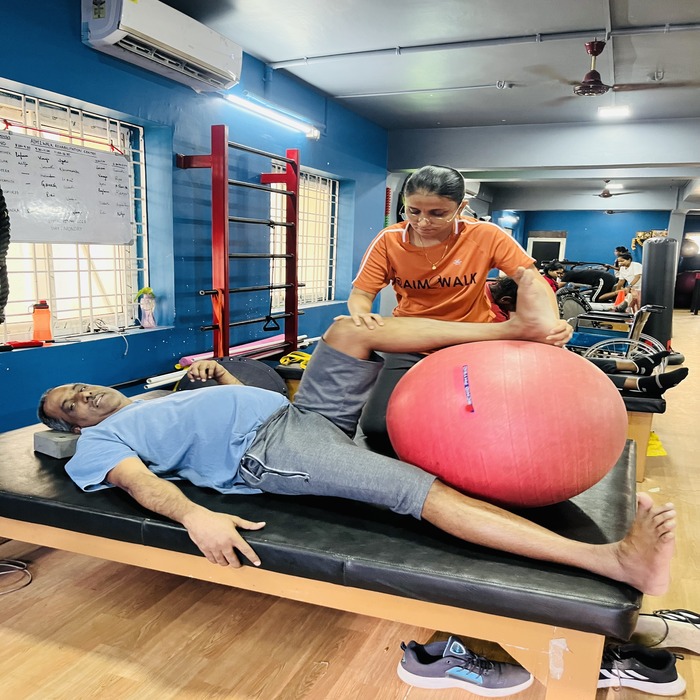
A stroke, often leading to paralysis, occurs when blood flow to a part of the brain is disrupted, either by a blood clot or a ruptured blood vessel. This deprivation of oxygen and nutrients causes brain cells to die, resulting in sudden neurological deficits. Paralysis is a common consequence, affecting one side of the body, and can manifest as hemiplegia or hemiparesi
The severity of paralysis depends on the extent and location of brain damage. Recovery often involves rehabilitation, encompassing physical and occupational therapy to regain motor skills and adapt to functional limitations. Preventive measures include lifestyle changes and managing risk factors like hypertension. Timely medical intervention, such as clot-dissolving medications or surgical procedures, is crucial in mitigating stroke-induced paralysis and optimizing long-term outcomes. Public awareness and education on recognizing stroke symptoms play a vital role in facilitating prompt treatment
In multiple sclerosis (MS), the immune system mistakenly attacks the myelin sheath, the protective covering of nerve fibers in the central nervous system. This leads to inflammation, demyelination, and the formation of scar tissue, disrupting the normal functioning of nerves. MS symptoms can vary widely, impacting mobility, vision, coordination, and cognition.
There are different types of MS, including relapsing-remitting, secondary progressive, primary progressive, and progressive-relapsing. The course of the disease varies among individuals, with periods of relapse and remission or a steady progression of symptoms.
Diagnosis often involves a combination of clinical evaluation, medical history, and imaging tests such as MRI. While there is no cure for MS, disease-modifying therapies aim to modify the immune response and manage symptoms. Supportive treatments, including physical therapy and medications, help individuals with MS maintain functional abilities and improve their overall quality of life. Ongoing research explores new therapeutic avenues and potential strategies to halt or reverse the progression of the disease.
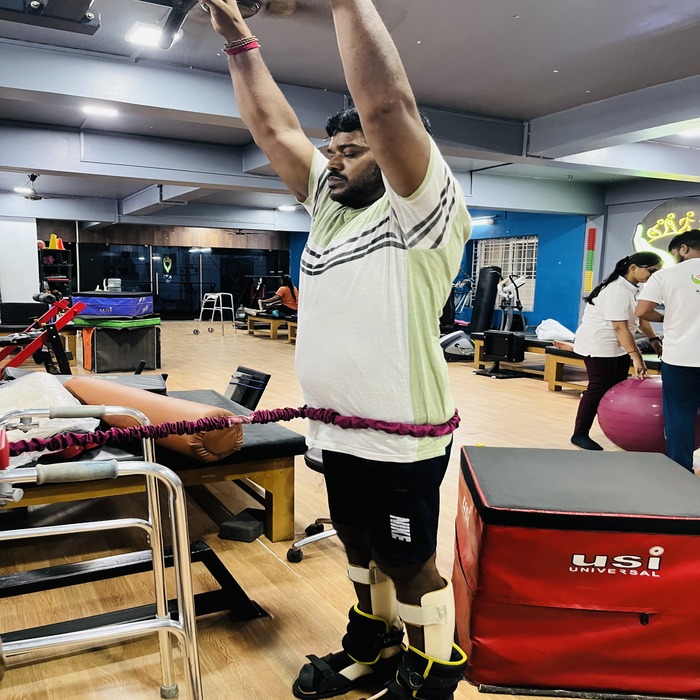
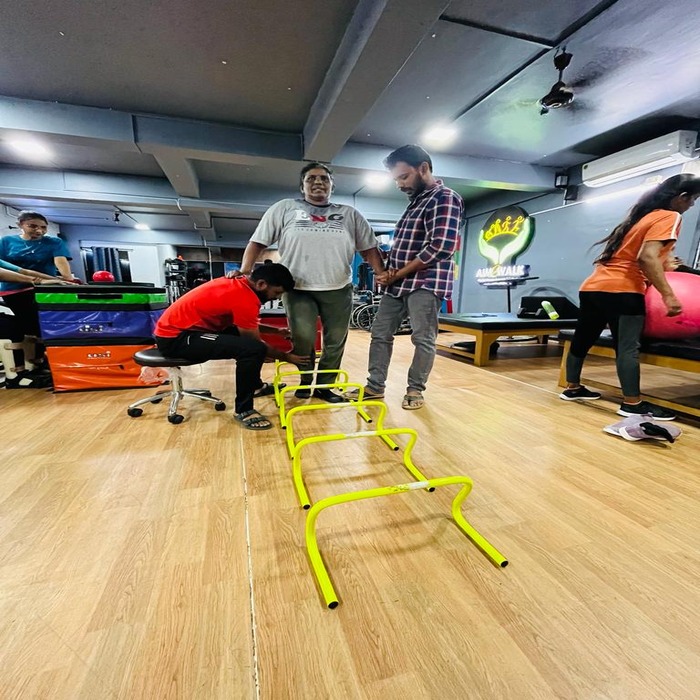
Neuropathy refers to a condition characterized by damage or dysfunction of the peripheral nerves, resulting in various symptoms such as pain, tingling, numbness, and weakness, often in the hands and feet. This condition can be caused by a variety of factors, including diabetes, infections, trauma, autoimmune disorders, and exposure to toxins.
Peripheral neuropathy disrupts the communication between the nerves and the central nervous system, leading to sensory and motor abnormalities. The symptoms may be gradual or sudden, and the severity varies widely.
Diagnosis involves a comprehensive evaluation of medical history, symptoms, and sometimes nerve conduction studies or imaging tests. Treatment focuses on addressing the underlying cause, managing symptoms with medications, and incorporating lifestyle changes. While neuropathy can be chronic, appropriate interventions can often alleviate symptoms and improve overall function and quality of life for individuals affected by this condition.
Muscular dystrophy (MD) refers to a group of genetic disorders characterized by progressive muscle weakness and degeneration. The condition arises from mutations in genes responsible for the structure and function of muscle fibers. There are various types of muscular dystrophy, each with distinct clinical features and progression patterns.
There are different types of MS, including relapsing-remitting, secondary progressive, primary progressive, and progressive-relapsing. The course of the disease varies among individuals, with periods of relapse and remission or a steady progression of symptoms.
Duchenne muscular dystrophy (DMD) is one of the most common and severe forms, typically affecting boys. Symptoms emerge in early childhood, leading to difficulty in walking, muscle wasting, and respiratory complications. Becker muscular dystrophy is a milder variant.
The management of muscular dystrophy involves multidisciplinary care, including physical therapy, orthopedic interventions, and respiratory support. While there is no cure, ongoing research explores gene therapies and other innovative treatments to address the underlying genetic defects. Supportive measures aim to enhance quality of life and independence for individuals living with muscular dystrophy.